The Short Answer
Different game materials need genuinely different cleaning approaches — what’s safe for a plastic miniature can ruin a paper card, and what works on a wooden piece can warp cardboard. The biggest risk across almost every material is moisture, so the right method almost always starts with using as little liquid as possible.
Cleaning Cards
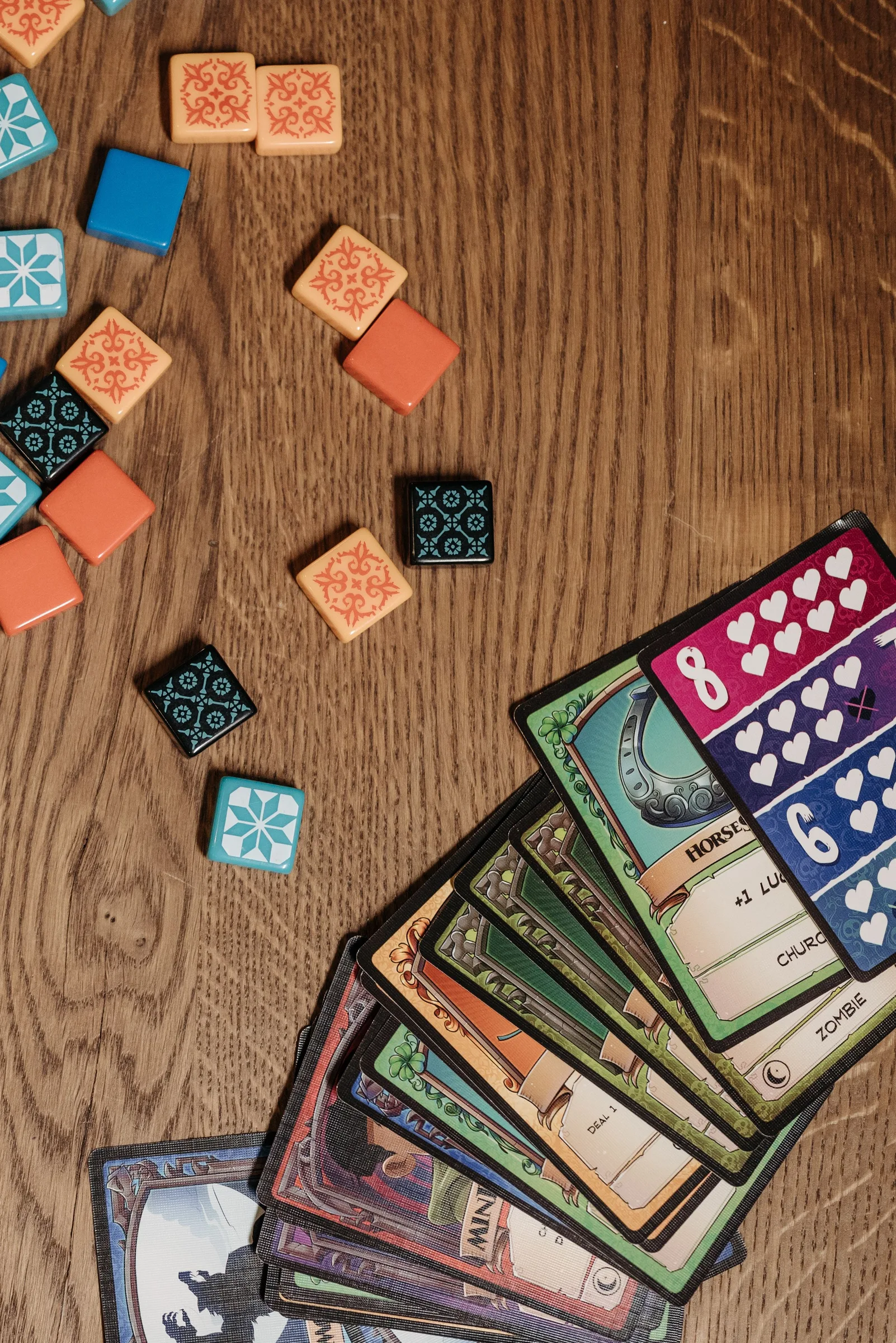
Standard playing cards are paper with a thin coating and are genuinely vulnerable to moisture — even a light dampness can cause warping or cards sticking together. For light dust or surface grime, a soft, dry microfiber cloth wiped gently across the surface is the safest option. For stubborn marks, a very slightly damp cloth (barely more than dry) can work on a coated, glossy card, but should be tested on a less important card first, and cards should be laid flat to dry completely and separately before being put back in the deck to avoid sticking.
Cleaning Plastic Pieces and Miniatures
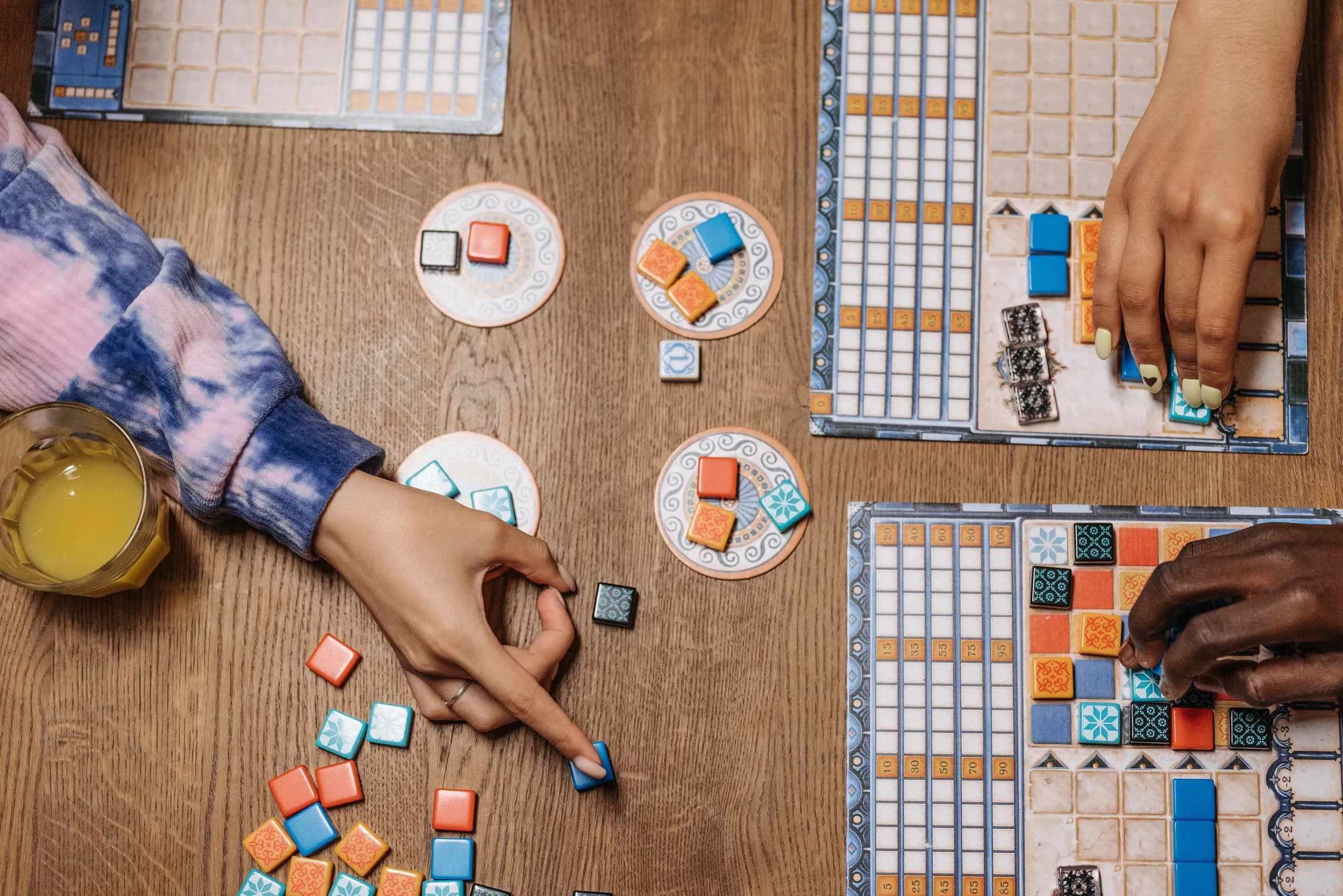
Unpainted plastic pieces — meeples, standees, resource tokens — can typically be cleaned with mild soap and water, then dried thoroughly before storage to avoid trapped moisture. Painted miniatures need more care: harsh scrubbing or abrasive cleaners can strip paint, so a soft brush and minimal water, focused only on visible dirt or dust, is the safer approach. Avoid submerging painted pieces or using anything abrasive on painted surfaces.
Cleaning Wooden Components
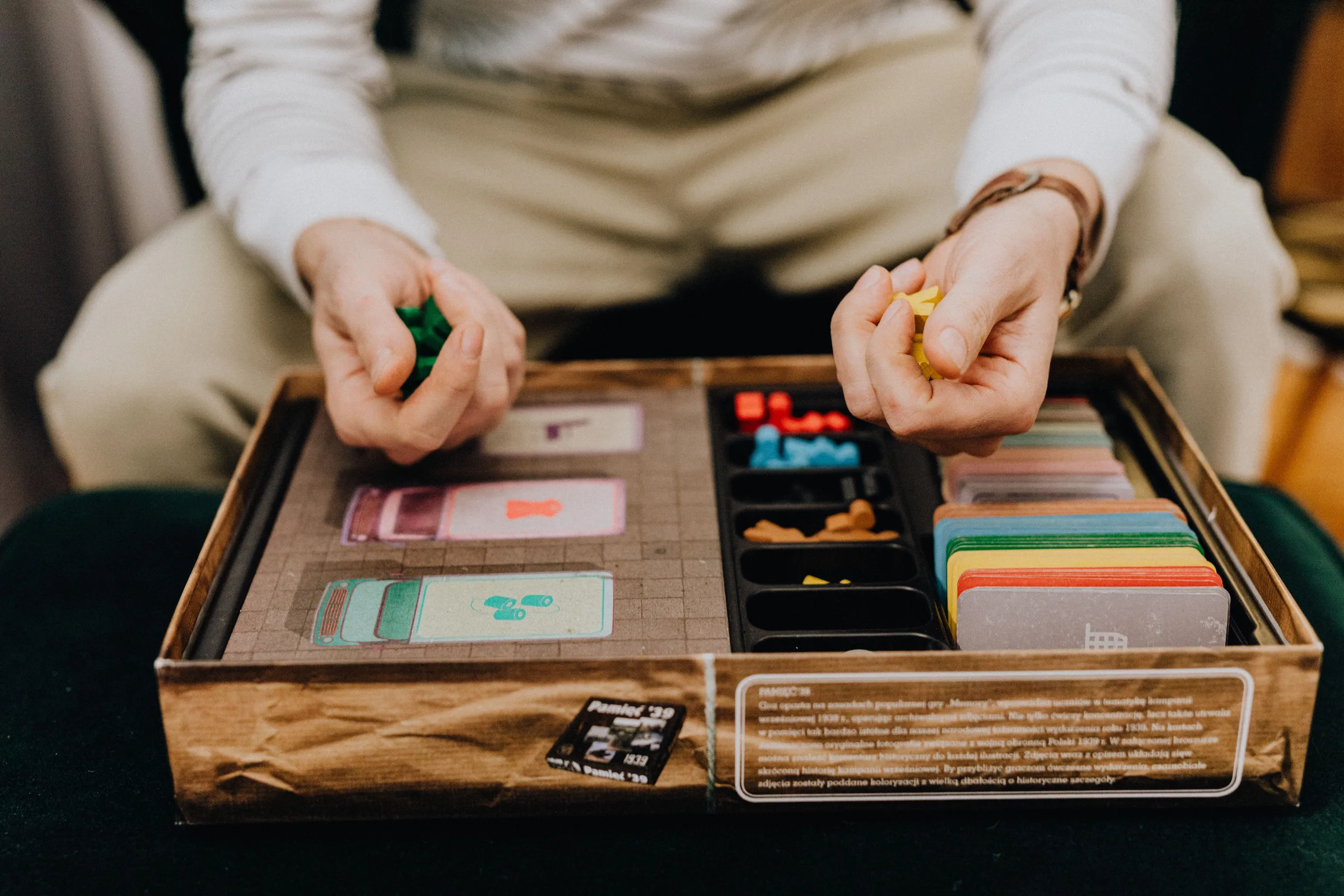
Wooden pieces, common in many European-style board games, generally shouldn’t be soaked or exposed to standing water, since wood absorbs moisture and can swell, crack, or warp as it dries unevenly afterward. A dry or barely-damp cloth for surface dust is the safer choice, and any wooden piece that does get wet should be dried immediately and thoroughly rather than left to air dry slowly.
Cleaning Dice
Standard dice can usually handle a quick wash with mild soap and water without issue, since they’re solid plastic or resin with no coating to damage. The main thing to watch for is dice with inked or painted pips and numbers — aggressive scrubbing can wear away the fill color over repeated cleanings, so a gentle wipe rather than vigorous scrubbing preserves the markings longer.
General Rules That Apply Across Materials
- When in doubt, start with the driest method that could plausibly work, and only add moisture if dry cleaning doesn’t help.
- Test any new cleaning method on the least important or least visible piece first, especially for painted or printed surfaces.
- Dry everything completely and separately before returning it to the box — sealing even slightly damp components inside a closed box is a common cause of mold or warping days later.
- Avoid household cleaning chemicals not specifically intended for the material in question — many contain solvents that can dull plastic, strip paint, or damage printed ink.
FAQ
Can I put board game pieces in the dishwasher?
Not recommended for most pieces — the heat and prolonged water exposure can warp plastic, damage paint, and is especially risky for anything wooden or paper-based. Hand cleaning with minimal water is safer across nearly all materials.
How do I remove sticky residue left by old stickers or labels on a game box or pieces?
A small amount of rubbing alcohol on a cloth, applied sparingly and tested on a hidden spot first, typically loosens adhesive residue without damaging most plastic or painted surfaces — avoid this on unfinished wood or paper components, though.
Is it worth cleaning components that will just get dirty again with regular play?
Yes, periodically — regular light cleaning prevents dirt and oils from building up to the point where they cause lasting damage, which is a bigger problem than the temporary cleanliness wearing off after use.