The Short Answer
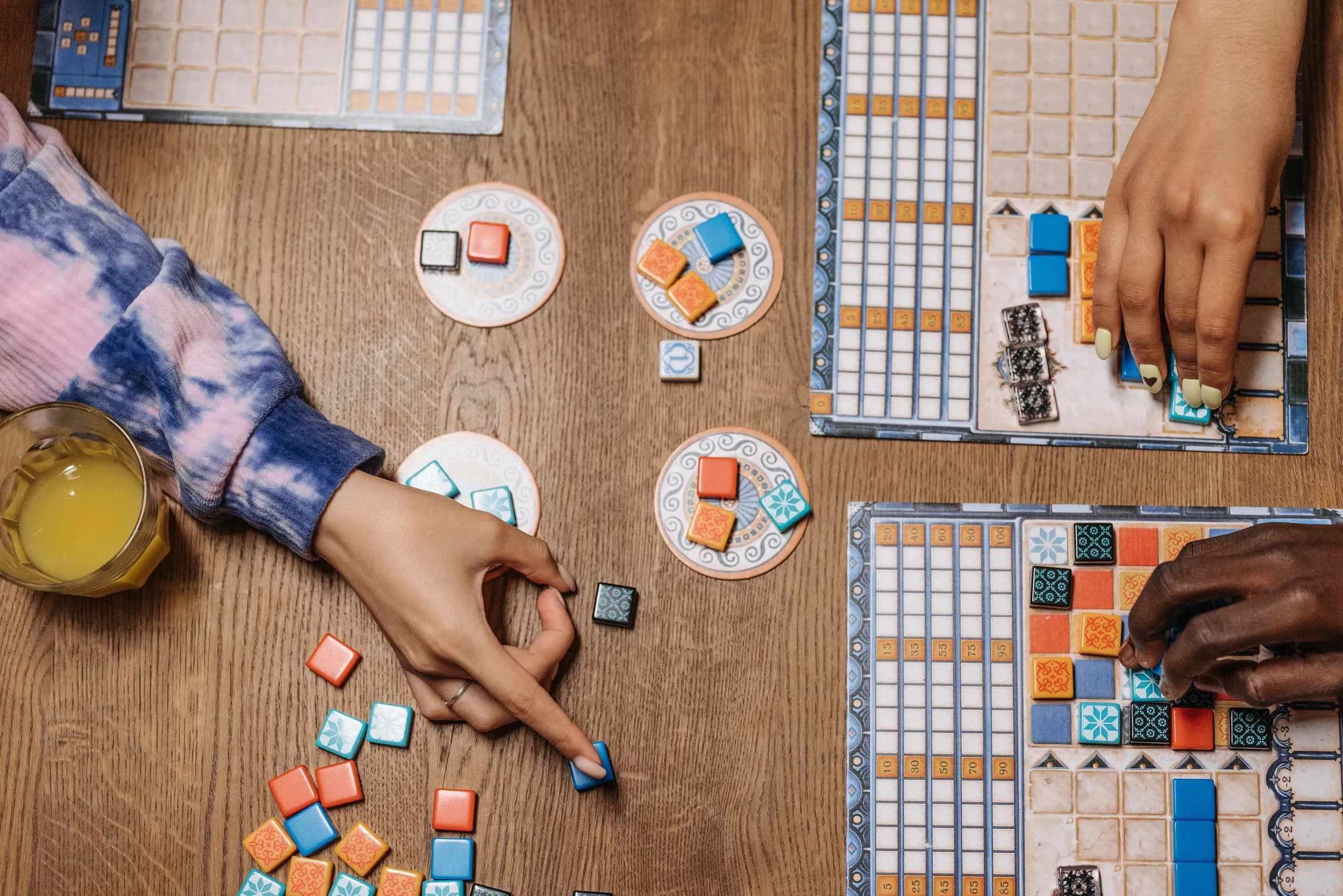
Some board games genuinely take longer to set up than a full round of play takes to resolve, especially light party games with a lot of physical components — tokens, tiles, or multiple decks — that all need sorting and arranging before the first turn. This isn’t a flaw in those games; it’s a trade-off between component richness and setup speed that the designer accepted on purpose.
What Actually Drives Long Setup Times
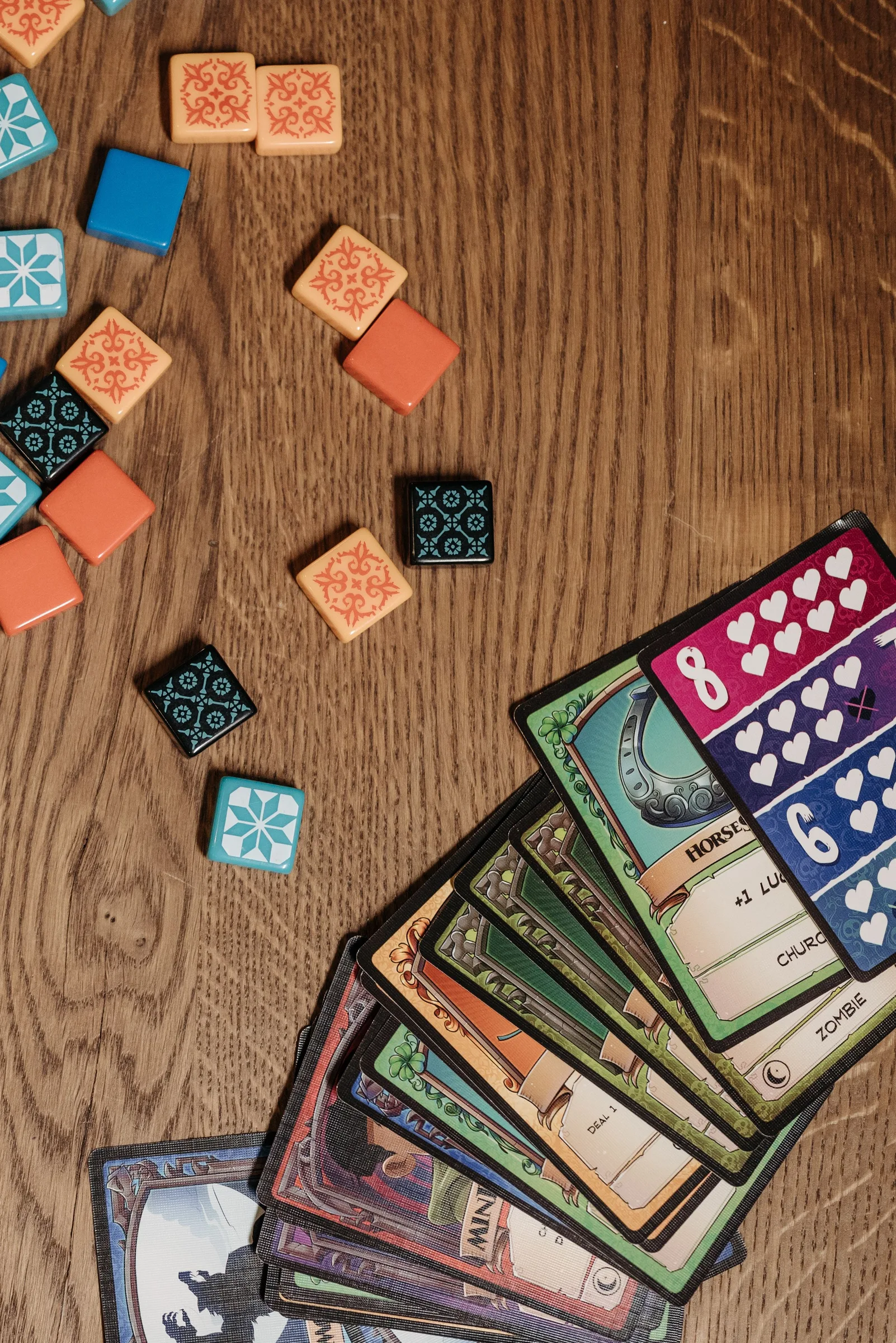
- Component count and sorting. Games with dozens or hundreds of small tokens, cards, or tiles that need to be separated by type before play simply take longer to lay out, regardless of how short the actual game is.
- Modular boards. Games built from separate tiles or boards that get arranged differently each session add real assembly time compared to a single fixed board that’s ready the moment the box opens.
- Multiple decks requiring separate shuffles. Some games use several distinct decks — event cards, resource cards, character cards — each needing its own shuffle and placement, which adds up even if each individual deck is small.
- Player-specific starting kits. Games that hand each player a personal set of components, sorted by color or faction, multiply setup time by the number of players at the table.
How to Cut Down Setup Time Without Changing the Game
- Pre-sort components into labeled bags or small containers after your first play, rather than sorting the same pile from scratch every session.
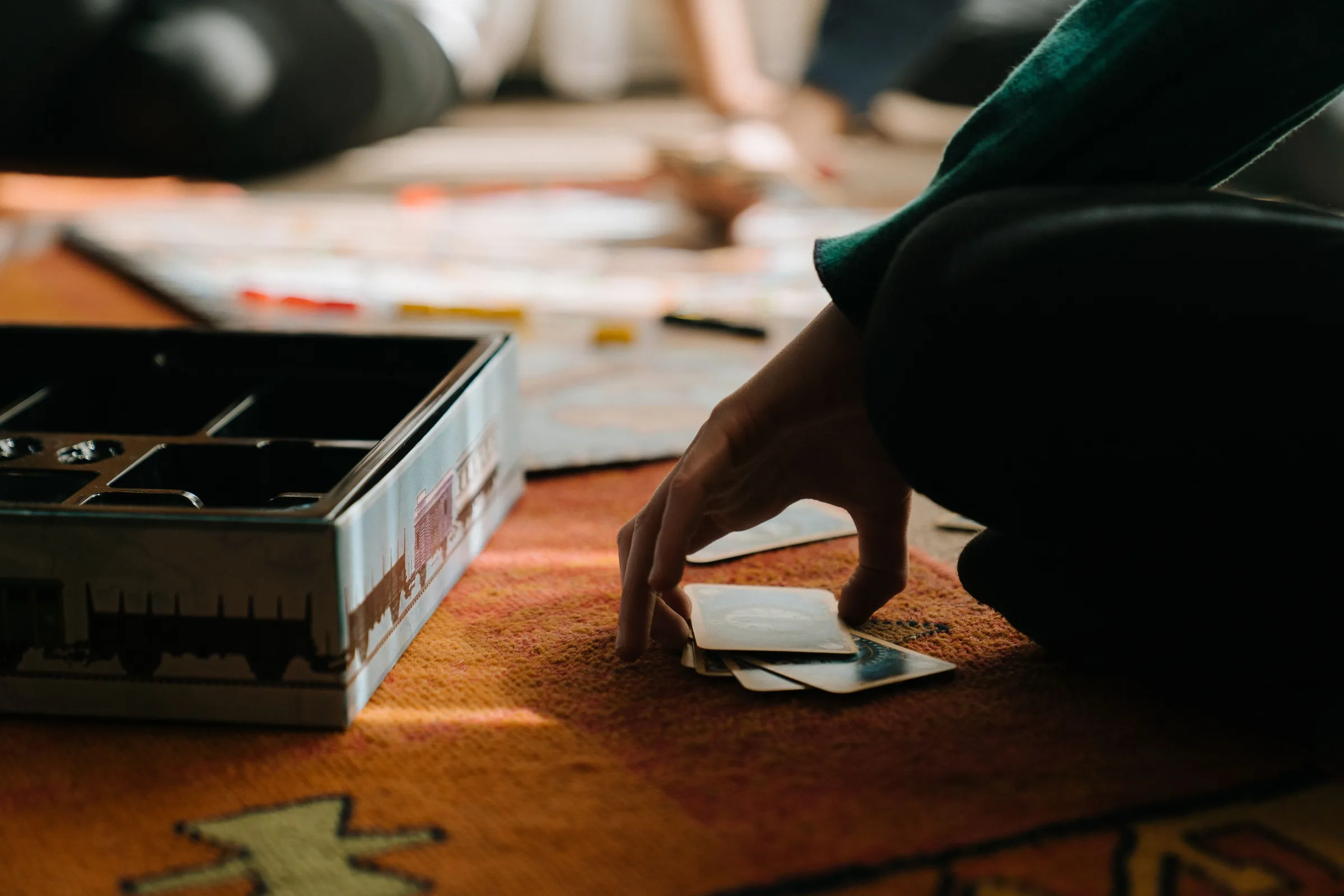
- Use component organizers or box inserts, which keep pieces separated between plays instead of mixed back into a single compartment.
- Assign setup roles when playing with a group — one person sorts cards while another arranges the board, cutting total setup time roughly in proportion to how many people are helping.
- For games with a modular board, take a photo of a favorite layout so it can be recreated quickly next time instead of arranging tiles from scratch.
- Read through the setup section once in advance so you’re not stopping mid-setup to re-read instructions, which slows the whole process down more than the physical sorting does.
When Long Setup Is Worth It
A long setup is a reasonable trade-off when the payoff is a genuinely longer, deeper session — a three-hour strategy game with a fifteen-minute setup is a small fraction of the total time. It’s a bigger problem when a game is meant to be a quick filler between other games but the setup alone eats up most of the time you had available, which is worth knowing before choosing what to play on a night with limited time.
FAQ
Is a long setup time listed anywhere before I buy a game?
Not always on the box itself, but hobbyist review sites and community databases often mention setup time separately from playtime, which is worth checking before buying a game specifically for a night with limited time.
Does a long setup mean a game is poorly designed?
No — it usually reflects a deliberate trade-off for component richness or replayability through variable setups, rather than a design flaw. The question worth asking is whether that trade-off fits how you actually plan to play the game.
Should I tear down a game completely after every play, or leave some of it set up?
If you’ll play again soon and have the table space, leaving sorted components in labeled containers (rather than fully mixed back together) can cut your next setup time significantly, even if the board itself gets put away.